Why "Sustained Continual Cultural Improvement" Is the Real Goal
Most business owners think optimization is a destination. You get there, you're done, you maintain.
That's not how it works.
What the Throughput Process Actually Builds
The BDM Throughput Process is the building block of optimizing profits and building a controlled business while preparing a business to sell for top dollar. It's a step-by-step process of eliminating waste, improving productivity, and achieving sustained continual cultural improvement with targeted activities and processes.
Read that last phrase carefully. Sustained. Continual. Cultural. Improvement.
Not a one-time fix. Not a quarterly initiative. A culture. A way of operating that is permanently embedded in how the business functions.
Culture Is the Secret Ingredient
Cultural change in a business is evolution, not revolution. It takes time. It also requires teaching people to come out of their comfort zones.
That's why the Jumpstart Bootcamp exists. That's why post-bootcamp oversight matters. That's why the earn-while-you-learn program is not optional. Because culture doesn't change in a training room. It changes in the daily habits, conversations, and decisions of the people who run the business.
The Compounding Effect
Here's what sustained cultural improvement actually looks like in practice. Small changes, made consistently, over time. Kaizen. Each improvement builds on the last. Each new behavior reinforces the next. The fire-breathing dragon doesn't get tamed in a day. But it does get tamed — if the culture supports the process.
And once it's tamed? It stays tamed. Because the culture won't let it revert.
Think this through.
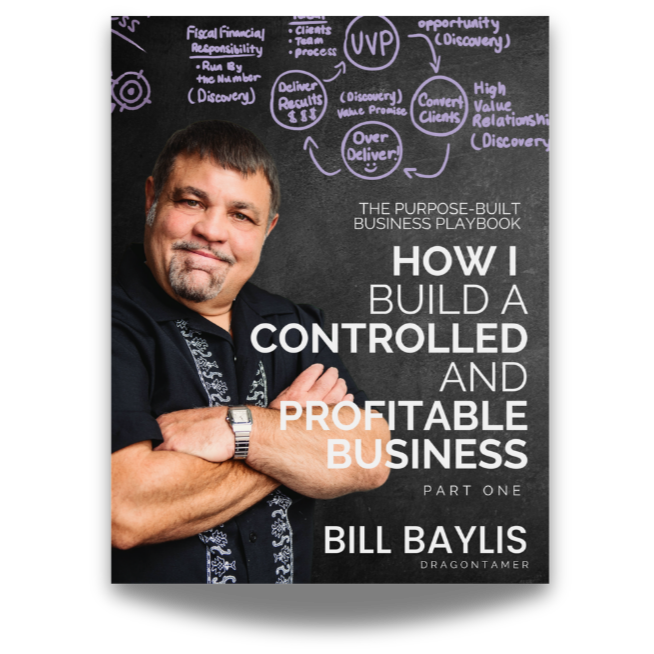
Download The Purpose-Built Playbook and learn how the BDM Throughput Process creates the sustained, continual cultural improvement that turns a struggling business into a controlled, optimized machine.