Inviting someone to a planning meeting does not mean they are ready to participate honestly. They may attend, nod, and carry every doubt, fear, assumption, and concern out of the room. That silence does not create alignment. It may leave the planning conversation without the concerns people are actually carrying.
Attendance Is Not Openness
The playbook describes assumptions, doubts, fears, emotions, and concerns as present in closely held family businesses. Do not treat them as unusual interruptions to an otherwise complete plan. People bring perceptions, emotions, knee-jerk reactions, and doubts into decisions about the business. If you only add names to the calendar, you have added attendance—not involvement.
The practical question is what participation means. Have people had room to discuss what concerns them, or only an invitation to hear the plan? A full attendance list cannot tell you whether the conversation has reached underneath the visible position.
Use Discovery Before Planning
The answer is not to push harder for agreement. Use a discovery conversation with a deliberate track that gets underneath the visible position. Ask what assumptions are being made. Ask what feels risky. Ask what concerns have not been voiced. Then listen without rushing to sell, correct, or defend.
The playbook presents “Selling with an Empty Cup,” also called “Selling Without Selling,” as a discovery track for getting underneath those concerns. The conversation is not a pitch for the plan. It makes room for meaningful planning involvement.
Make Safety Part of the Process
Openness is not a personality trait you can demand from the people you invite. It has to be built through regular open, receptive, safe, and frank conversations. Jumpstart training is designed to challenge old habits and replace them with new behaviors, skills, and confidence. Post-training oversight and coaching then help people apply new discovery meeting procedures in real time.
Before your next planning session, identify who is being invited. Where will each person have room to express assumptions, doubts, fears, and concerns before decisions are made? If you cannot answer, build that opportunity into the conversation rather than assuming attendance means readiness.
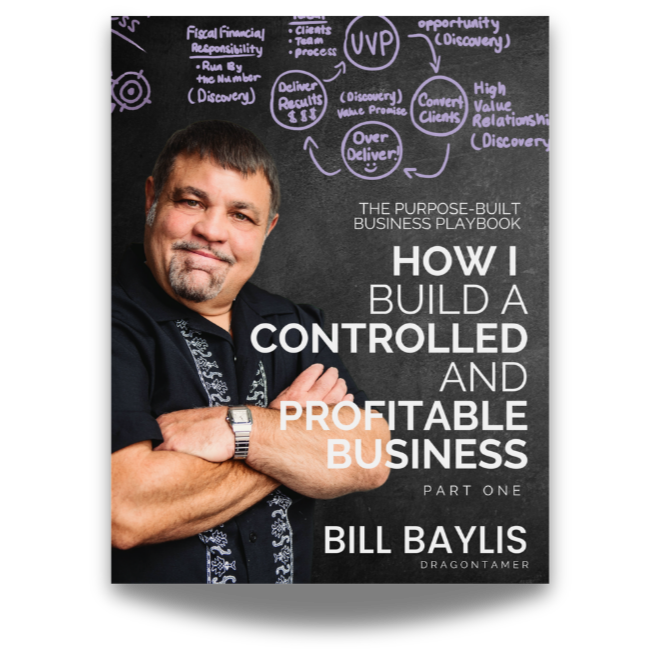
Download The Purpose-Built Playbook and use the Jumpstart passage to examine how open discovery conversations prepare people for deeper planning involvement.