A polished business conversation can still be dishonest. You can ask the expected questions while hiding the concern that needs to be understood.
Think about the concern you leave unspoken because you want to appear certain. Is the other person responding to the situation, or to the version you have carefully presented? Examine that distinction; polish alone does not prove dishonesty.
Are You Sharing or Managing?
Here is the uncomfortable test: are you sharing who you really are, or managing what the other person thinks you are? Those are not the same thing.
Managing an impression may look professional. It may even keep the conversation pleasant. But it can also conceal uncertainty, frustration, doubts, and concerns—the very material a useful business conversation must bring into the open. A controlled presentation is not the same as controlled communication.
Connection Cannot Be Manufactured
BDM’s proposition is blunt: the connection it describes “cannot be met through manipulation.” The point is not to abandon discipline or speak carelessly. The point is to stop confusing performance with connection.
The playbook calls for active business communication and sharing who you really are rather than who you want the other person to think you are. Put that proposition to work by examining what you are willing to share and hear. That is different from casual communication, and it is different from selling through pressure. Make room for understanding rather than chasing approval.
Put the Test in Your Next Conversation
After your next business conversation, examine it without defending yourself. What did you genuinely share? What did you carefully edit to protect an impression? Which concern stayed unspoken because you wanted to appear certain, capable, or agreeable?
Do not turn this into another performance exercise. Use the answers to identify where the conversation became controlled in the wrong way. Then return to the issue with enough openness for the other person to respond to what is real. Make room for understanding instead of treating an impressive delivery as the purpose of the conversation.
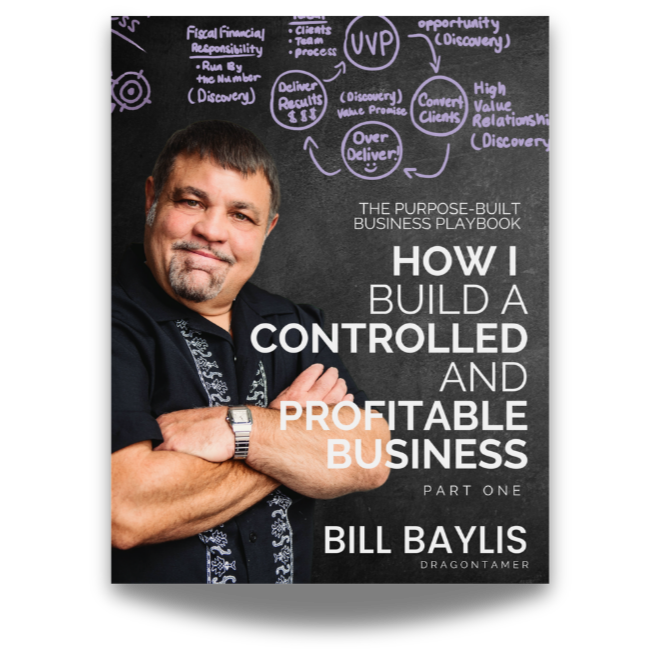
Download The Purpose-Built Playbook and use this distinction as your standard: in every important business conversation, choose honest connection over a carefully maintained impression.