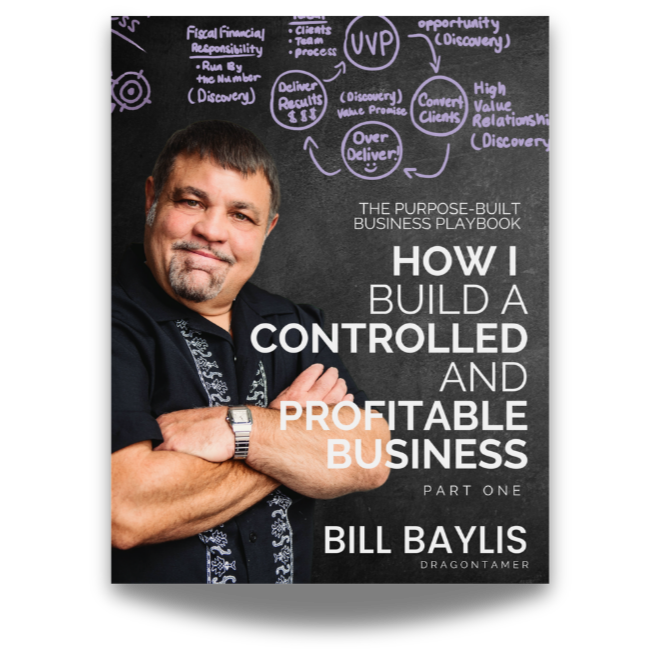
A culture of forgiveness is not a declaration that every operating error is acceptable. The playbook draws a boundary: tolerance for error and failure is for growth and development, not specific technical issues. Keep that qualification visible when you ask people to speak up.
Give development room without a blanket exemption
In the “Secret Ingredient” passage, BDM calls for openness, forgiveness, and permission to point out frustrations and deficiencies. It presents those conditions as part of gaining buy-in and moving toward a mature business.
The qualification matters just as much as the invitation. Do not turn room for development into a statement that technical requirements no longer matter. Equally, do not use the qualification to silence someone who is trying to identify a deficiency. The passage is about the culture needed for growth, not a disciplinary policy or permission to ignore the work.
Keep the operating reference visible
Elsewhere, the playbook describes standard operating procedures that document how every component of the business should operate. Those standards give you a reference point when a frustration or deficiency is raised.
Put the two passages beside each other. Invite the concern, then examine the expected operation. What should this component do? Is the requirement documented clearly enough to discuss? You can make the problem visible without pretending the problem is an acceptable standard. Openness and a defined operating expectation need not be competing choices.
Examine performance without inventing a rule
The playbook assigns statistical process analysis the job of measuring performance against standards. Use that comparison to examine the gap. It does not, by itself, classify an error as developmental or technical, and the source supplies no automatic rule for doing so.
Choose one deficiency your team has raised. Review the documented requirement and the performance evidence together. Ask what needs clarification or development, and what technical requirement must still be met. Keep the discussion specific rather than announcing blanket forgiveness or blanket blame.
Download The Purpose-Built Playbook and read its development boundary alongside its operating-standard principle. Make room to identify the issue while keeping the required operation in view.