Why Realistic Budgets Give Small Business Owners More Control
A budget is not a document you build once, hand to your accountant, and forget.
It is a control system.
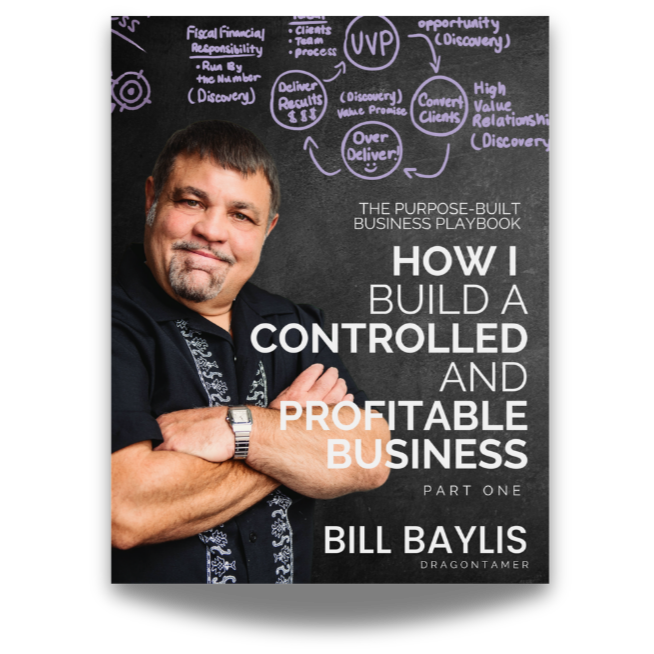
The Purpose-Built Playbook identifies a common deficiency among closely held business owners: they lack the tools to plan, forecast, make realistic budgets, and measure key performance indicators. That is not a minor administrative issue. It is why so many owners are surprised by the numbers after the money has already moved.
A Budget Forces a Real Conversation
A realistic budget makes you confront what the business needs to produce, what it costs to operate, and where the money is supposed to go. It moves the conversation away from “We seem busy” and toward “Are we performing against the plan?”
That matters because numbers do not lie. Without a plan, every expense feels justified in the moment. With a plan, you can see whether a controllable expense is helping the business perform or quietly draining it.
The Budget Is Only Useful When It Is Used
The BDM approach is built on managerial control. The diagnostic phase assesses financial resources in relation to organizational effectiveness, operational efficiency, and managerial control. A budget belongs inside that system. It creates a standard. Then performance can be measured against it.
That is how you stop managing by hindsight.
Put Profit in the Plan
The playbook makes the point clearly: predetermined profits belong in the system as the first item of paid expense. A realistic budget is where that decision becomes operational. Profit is not what remains after everyone else has been paid. It is a number the business is designed to produce.
You cannot control what you refuse to plan.
Download The Purpose-Built Playbook to learn how BDM helps owners build financial controls, realistic budgets, and predetermined profits into the way the business operates.