A professional title does not, by itself, establish the management role you need. Before following advice, ask what the adviser is actually engaged to do. Historical financial work and future-oriented organizational management are different responsibilities. Do not leave that distinction to assumption.
Respect the role without enlarging it
The playbook questions whether owners overvalue the management skills of accountants and attorneys. It contrasts recording historical financial performance with a future-oriented sounding board that aligns the organization for operational performance and profitability.
Treat that as BDM’s critique of role assumptions, not proof that every accountant or attorney lacks management capability. Your task is to examine this adviser’s remit and experience. What service are they providing? What management responsibility, if any, have you agreed they will carry? A valuable technical role does not automatically become an organization-wide mandate.
Ask what alignment means in the work
The playbook’s diagnostic examines human, physical, financial, and management resources against organizational effectiveness, operational efficiency, and managerial control. Use those dimensions to make your questions concrete.
Can the adviser explain how the recommendation relates to the operation, not just its historical record? Which resources or controls need attention? How will you examine whether the recommendation moves the business toward its goals? These are practical selection questions, not a claim that a credential determines the answer.
Clarify stake rather than assuming it
The source also raises “skin in the game.” Do not turn that phrase into an invented compensation rule or a guarantee of results. Clarify what the adviser is responsible for and what remains your responsibility as the owner.
Review one advisory relationship. Write down the agreed role, the management outcome the advice is intended to influence, and the control that will show progress. If the role stops at historical reporting, name that boundary. If future-oriented management is required, discuss the capability and involvement needed before relying on it.
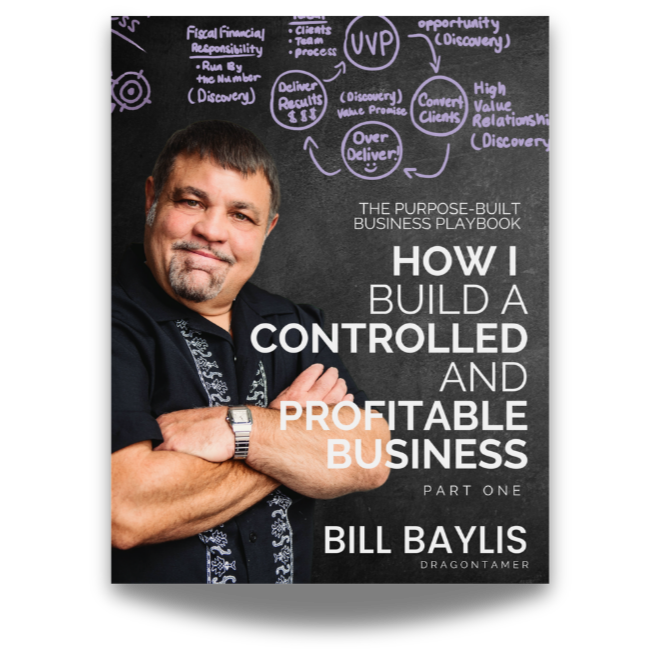
Download The Purpose-Built Playbook and use its historical-versus-future management distinction to review the advice you follow. Match the responsibility to the role rather than quietly assigning a mandate the adviser never accepted.