You can spot an easy opportunity and still waste it. The mistake is treating “low-hanging fruit” as permission to skip the handoff from diagnostic to implementation. A finding left in your notes has not yet changed the operation. Its potential remains untested, however obvious the opportunity looks.
Diagnosis Finds It. Implementation Uses It.
The BDM approach separates two jobs. The diagnostic looks through your eyes at what works, what does not, and where problems, opportunities, and low-hanging fruit exist. That work gives you a clearer view of the business. It does not complete the work.
The finding is meant to be used later in the implementation phase. That distinction matters. A simple opportunity is still an opportunity that must move from observation into planned action. Leave it in the diagnostic and you have learned something without acting on it.
Easy Does Not Mean Unplanned
The next move is not to rush at the easiest idea. Once analysis is complete, the approach recommends project process and scope to achieve the targets. That gives the opportunity a place in the work instead of letting it compete with every other problem for your attention.
Start by defining the goal. Establish the control that will show whether you are moving in the right direction. Then focus the strategic resources involved. The point is not to make a small opportunity sound complicated. Give it a destination and a way to judge progress. An apparently easy item still needs to be examined against the targets rather than treated as a result already delivered.
Carry the Finding Forward
Go back to your diagnostic findings and choose one low-hanging fruit item. Do not ask only, “Can we fix this quickly?” Ask, “What target will this serve, what control will tell us it is working, and where does it belong in the implementation plan?”
That is the handoff. Diagnosis gives you the sight. Implementation is where you act on that sight and check whether the intended change is taking place. Skip the handoff and the easy win stays theoretical.
Before your next planning conversation, put that opportunity on the implementation agenda with its goal and control.
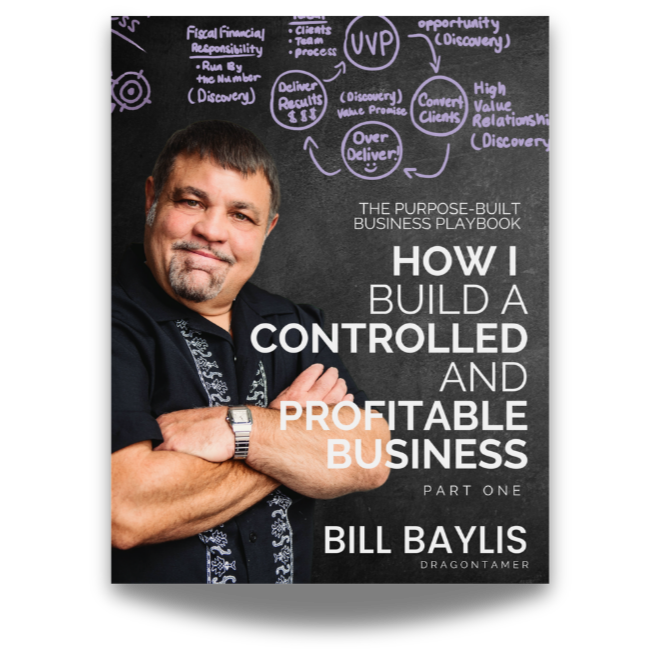
Download The Purpose-Built Playbook and use its diagnostic-to-implementation sequence to keep the finding connected to the work that follows.